

Hey there! I'm a supplier of PVC Profile Welding Machines, and I know how frustrating it can be when your machine won't start. It's like having a car that won't turn over - you're stuck, and you need to figure out what's going wrong. In this blog post, I'll share some tips on how to troubleshoot a PVC Profile Welding Machine that won't start.
Check the Power Supply
The first thing you should do when your PVC Profile Welding Machine won't start is to check the power supply. It might sound obvious, but sometimes the simplest things are the cause of the problem.
- Power Cord: Make sure the power cord is properly plugged into both the machine and the electrical outlet. A loose connection can prevent the machine from getting the power it needs to start. If the cord looks damaged, like it's frayed or cut, you'll need to replace it.
- Electrical Outlet: Check if the outlet is working. You can plug in another device, like a lamp, to see if it gets power. If the outlet is dead, you might need to check your circuit breaker or fuse box. Sometimes, a tripped breaker or blown fuse can cut off power to the outlet.
- Voltage Requirements: Ensure that the voltage of your electrical supply matches the voltage requirements of the PVC Profile Welding Machine. Using the wrong voltage can damage the machine or prevent it from starting. You can usually find the voltage requirements on the machine's nameplate.
Inspect the Switch and Controls
If the power supply is okay, the next step is to look at the switches and controls on the machine.
- Power Switch: Check if the power switch is in the "on" position. Sometimes, it can accidentally get turned off. If the switch feels loose or doesn't seem to be working properly, it might be defective and need to be replaced.
- Control Panel: Examine the control panel for any error messages or warning lights. Some modern PVC Profile Welding Machines have built - in diagnostic systems that can indicate what's wrong. If you see an error code, refer to the machine's manual to understand what it means and how to fix it.
- Safety Interlocks: Many PVC Profile Welding Machines have safety interlocks to prevent the machine from starting if certain conditions aren't met. For example, there might be a door interlock that stops the machine from running if the access door is open. Check all the safety interlocks and make sure they're properly engaged.
Examine the Motor and Drive System
The motor and drive system are crucial for the operation of the PVC Profile Welding Machine. If they're not working, the machine won't start.
- Motor: Listen for any unusual noises coming from the motor when you try to start the machine. A humming sound without the motor turning could indicate a problem with the motor's windings or a seized motor. You might need to call a professional technician to inspect and repair the motor.
- Belt and Chain: Check the belts and chains in the drive system. If they're loose, worn out, or broken, they won't be able to transfer power from the motor to the other parts of the machine. Tighten or replace any belts or chains that are in bad condition.
- Couplings: Inspect the couplings that connect the motor to the drive system. A damaged or misaligned coupling can prevent the motor from driving the machine properly. Make sure the couplings are in good condition and properly aligned.
Look at the Heating System
In a PVC Profile Welding Machine, the heating system is essential for the welding process. If there's a problem with the heating system, it can also affect the machine's ability to start.
- Heating Elements: Check if the heating elements are working. You can use a multimeter to test the resistance of the heating elements. If the resistance is outside the normal range, the heating element might be defective and need to be replaced.
- Temperature Controller: The temperature controller regulates the temperature of the heating elements. If it's not working correctly, it can prevent the machine from reaching the proper operating temperature and starting. Check for any error messages on the temperature controller and make sure it's set to the correct temperature.
- Thermostats and Sensors: Thermostats and sensors are used to monitor the temperature of the machine. A faulty thermostat or sensor can give incorrect temperature readings, causing the machine to malfunction. Inspect these components and replace any that are defective.
Check for Blockages and Obstructions
Sometimes, blockages and obstructions can prevent the PVC Profile Welding Machine from starting.
- Feed System: Check the feed system for any blockages. If there's debris or a piece of PVC profile stuck in the feed mechanism, it can prevent the machine from operating. Remove any blockages and make sure the feed system is clear.
- Cooling System: The cooling system is important to prevent the machine from overheating. Check if the cooling fans are working and if there are any blockages in the cooling ducts. A blocked cooling system can cause the machine to shut down or not start at all.
Consider Professional Help
If you've gone through all these troubleshooting steps and still can't get your PVC Profile Welding Machine to start, it might be time to call in a professional. A trained technician has the expertise and tools to diagnose and fix complex problems.

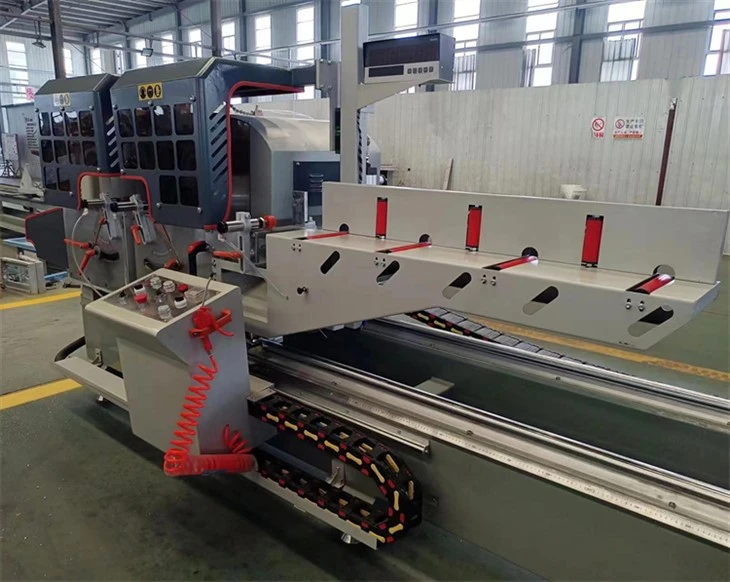
As a PVC Profile Welding Machine supplier, I understand the importance of having a reliable machine. We offer a wide range of high - quality machines, such as the UPVC Window Welding Machine, UPVC Single Head Welding Machine, and PVC Plastic Window Welding Machine.
If you're in the market for a new PVC Profile Welding Machine or need more information about troubleshooting your current one, feel free to get in touch with us. We're here to help you keep your production running smoothly.
References
- Manufacturer's manual for PVC Profile Welding Machine
- Industry - specific guides on PVC Profile Welding Machine maintenance and troubleshooting